Region Citations: City & Community Listings That Prove Place
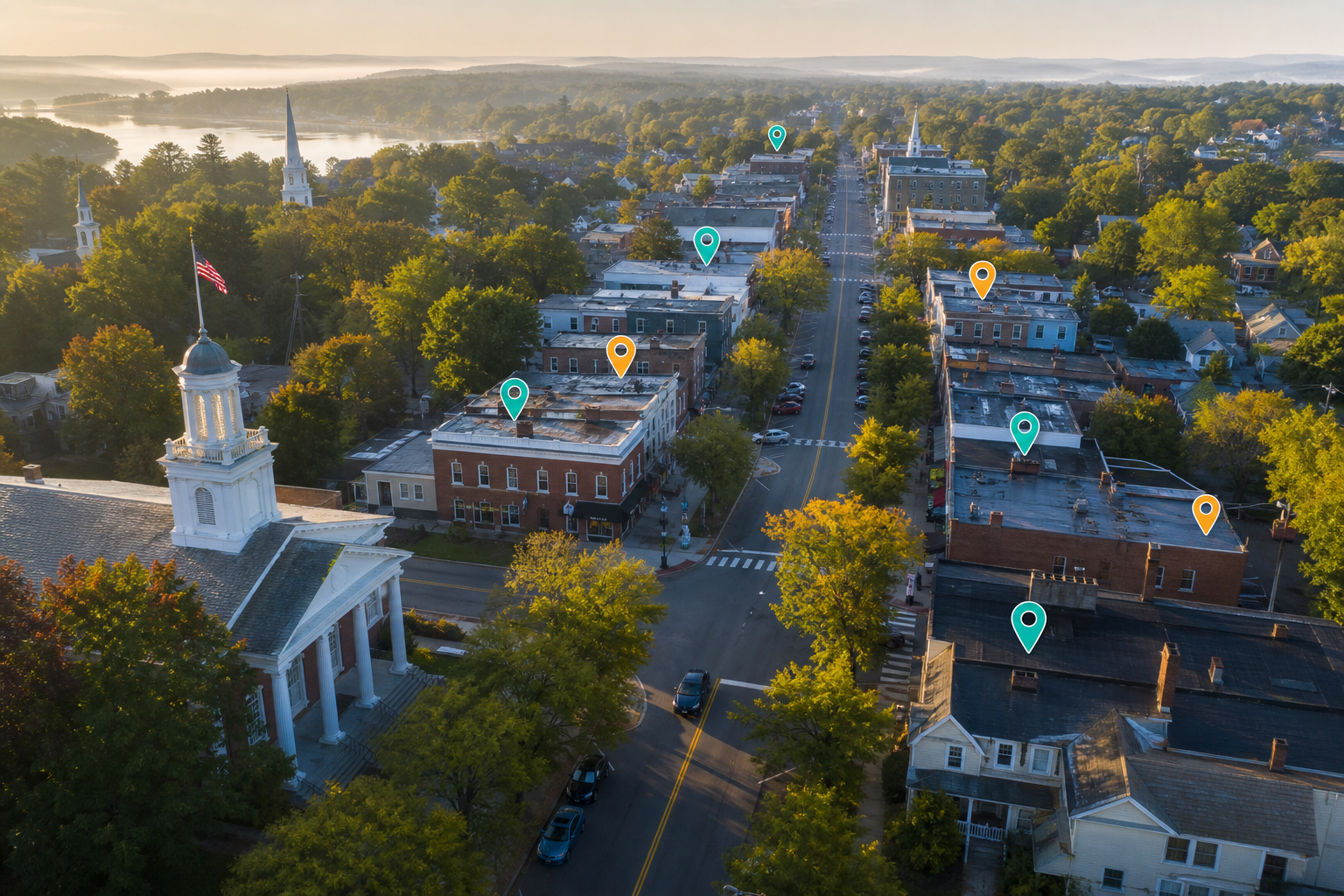
Prominence is partly local fame. Chamber memberships, city business registries, tourism guides, and neighborhood association pages tell humans and algorithms you belong to a place — not only to the internet.
A region citation is a NAP mention on a place-based site: city directories, chambers of commerce, tourism boards, neighborhood blogs, and regional business associations that confirm you serve a specific geography.
For multi-location brands, regional citations keep each branch distinct. Never paste the corporate HQ address onto every city chamber profile. Each live location should carry its own NAP and, when possible, its own photos and hours.
Service-area businesses should still pursue legitimate regional mentions, but never invent a storefront. Misrepresentation violates Google policies and creates long-term trust debt.
Regional PR and sponsorships often create both unstructured mentions and directory listings. Treat them as one local authority system: accurate NAP in the directory and in the press write-up.
Create Citation free · Map Citations playbook
Why it matters
- Local prominence includes community mentions, not only national directories.
- Regional listings help multi-location brands keep each branch entity distinct.
- City and chamber sites can earn trusted local links and referral traffic.
- Tourism and “best of” guides influence both customers and AI recommendations.
- Neighborhood-level mentions support hyperlocal keyword relevance.
Examples
- Chamber of commerce directories — Member listings with NAP and category.
- City / municipal business lists — Official or semi-official registries.
- Tourism / visitor bureaus — Strong for hospitality and attractions.
- Neighborhood / BID sites — Hyperlocal trust for retail corridors.
- Regional newspapers & guides — Often overlap with unstructured citations.
- Local sponsorship pages — Youth sports, festivals, charity partners.
How to improve
- Map primary cities and neighborhoods you actually serve.
- Join or list on chamber, city, and tourism sites for each primary location.
- Use the exact branch address for multi-location brands.
- Mention neighborhoods naturally in profile text — no stuffing.
- Keep a spreadsheet of regional URLs per city for quarterly audits.
- Align sponsorship pages with the same NAP block.
- Coordinate with PR so press kits never ship an old address.
Checklist
- Primary cities listed with target regional sources
- Chamber / city profiles claimed where available
- Branch-level NAP for every location
- No fake storefront for service-area SEO
- Sponsorship/partner pages NAP-checked
FAQ
What is a region citation?
A region citation is a business listing on a place-based site — such as a chamber of commerce, city directory, or tourism board — that confirms your Name, Address, and Phone for a specific geography.
Are regional citations useful if I am already on Google Maps?
Yes. Google Maps is essential, but regional mentions support local prominence and help customers and AI systems verify you as a real local business.
Should service-area businesses still pursue region citations?
Yes, carefully. Prefer legitimate city and chamber listings that match your real service area. Do not invent a storefront address to game proximity.
How do region citations differ from major citations?
Major citations are national/global platforms. Region citations are geography-specific sources that prove place and community presence.
How many regional citations per city?
A tight set of real community sources beats a long spam list. Aim for chamber, city, tourism if relevant, plus 1–3 neighborhood or partner pages you can maintain.
Do regional citations help AI Overviews?
Consistent local entity facts across community sites give generative engines clearer place grounding — especially when they match your GBP and website.