Local SEO for website traffic means capturing nearby search demand, then sending qualified visitors from Google Maps and local results to pages that convert. Traffic that never calls is incomplete; the goal is measurable visits from the right cities and service intents.
Start with local ranking factors, then route clicks with GBP UTM tracking.
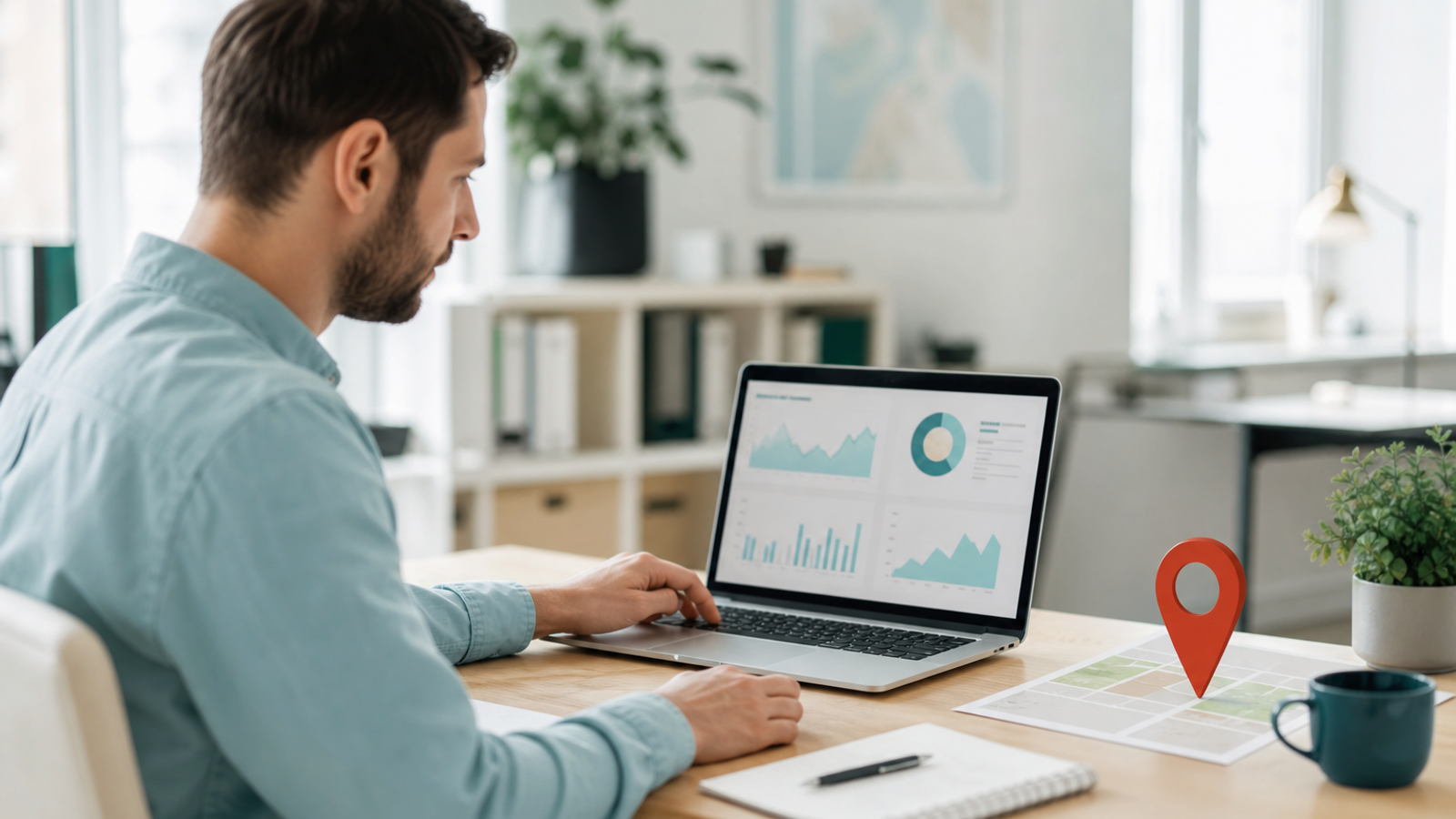
Where Local Website Traffic Comes From
| Source | What users want | Website job |
|---|---|---|
| GBP website button | Details beyond the listing | Fast mobile page + clear CTA |
| Map Pack blue links / sitelinks | Compare options | Service proof + NAP match |
| Local organic results | Research before calling | City/service content that answers questions |
| GBP posts / offers | Deal details | Landing page matching the offer |
| Citations & directories | Validation | Consistent brand landing experience |
Traffic Growth Checklist
- ☐ Complete GBP and use a UTM-tagged website URL
- ☐ Build unique pages for priority services
- ☐ Add honest location pages only where you serve
- ☐ Put NAP + click-to-call above the fold on mobile
- ☐ Earn reviews that improve Map Pack CTR
- ☐ Fix title tags for service + city intents
- ☐ Speed up Core pages (compress images, lazy load)
- ☐ Track sessions, calls, and form fills in GA4
Page Types That Attract Local Visits
- Service pages (“emergency plumber”, “dental implants”) with proof and FAQs
- Location pages with real photos and local details (no spun doorway spam)
- Offer / seasonal landing pages linked from GBP posts
- About page with team credibility for high-trust categories
Content + Keyword Workflow
Use local keyword research to find phrases with city modifiers and “near me” intent, then map each phrase to one primary page. Avoid ten thin pages targeting the same service.
Convert Traffic, Don’t Just Count It
- Match GBP offer text to the landing headline
- Show hours and service area to reduce bounce
- Use short forms (name, phone, need)
- Add trust: reviews embed, licenses, before/after photos
Frequently Asked Questions
Do I need a website if I have GBP?
GBP can drive calls alone, but a site improves trust, SEO reach, and offer details.
What pages matter most for local SEO?
Service pages, contact, and honest location pages with matching NAP.
Should city pages be mass-produced?
Only with unique value. Thin doorway pages can hurt more than help.
How do I track Maps-to-site traffic?
UTM-tag the GBP website URL and watch GA4 campaigns.
Does site speed affect local leads?
Yes, slow mobile pages waste expensive Map Pack clicks.
Where should reviews appear on the site?
Near CTAs on service pages, with a link to the live Google listing.
Final Takeaway
Local SEO grows website traffic when Maps visibility, relevant landing pages, and tracking work together. Rank locally, click through cleanly, convert quickly.
Businesses that treat websites and conversion from Maps as a weekly operating system earn more calls than those who “set and forget” a profile.