LocalBusiness schema (Schema.org) helps search engines understand your name, address, phone, hours, and entity type in a structured way. It will not replace Google Business Profile—but clean JSON-LD that matches your GBP and website NAP reduces ambiguity. This guide on LocalBusiness Schema: Markup Guide for Local SEO breaks down practical local seo steps you can implement this week, what to measure afterward, and how to avoid common Google Business Profile mistakes that waste months of effort.

What LocalBusiness Schema Is
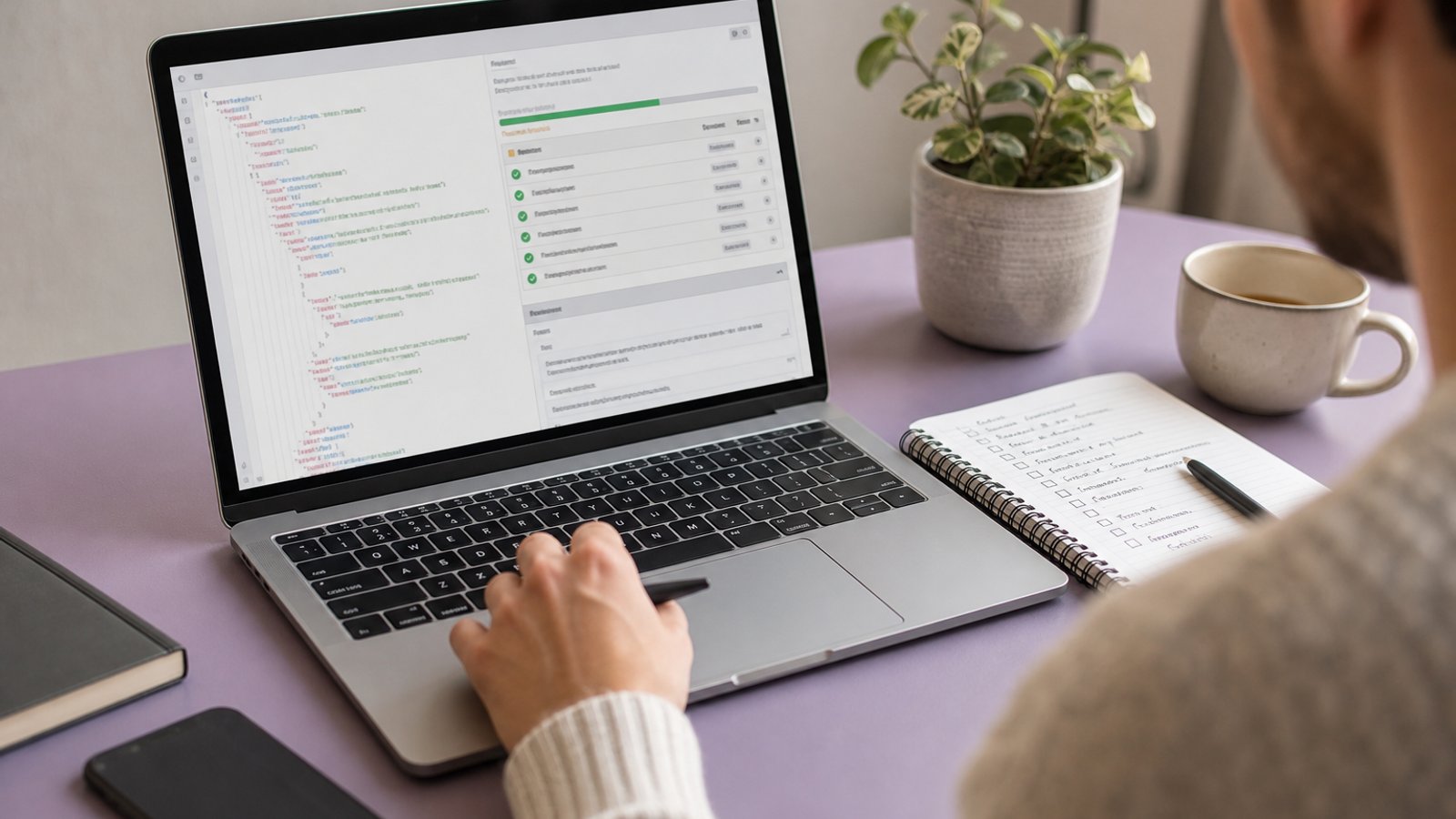
It is structured data—usually JSON-LD in the page head or body—describing a local organization. Use the most specific subtype when possible (Dentist, Restaurant, LegalService, etc.) under the LocalBusiness family.
Core Properties Checklist
| Property | Why it matters | Tip |
|---|---|---|
| @type | Entity classification | Prefer specific subtype over generic LocalBusiness when accurate |
| name | Brand identity | Match GBP legal/brand name |
| address | Local relevance | Same NAP as GBP + footer |
| telephone | Click-to-call clarity | Same format as Maps when possible |
| url | Canonical site | HTTPS homepage or location page |
| openingHoursSpecification | Hours trust | Keep holiday updates in sync |
| geo | Pin confirmation | Accurate lat/long for storefronts |
| sameAs | Entity graph | Social + directory profiles you control |
Implementation Steps
- 1. Choose the correct Schema.org type for your business
- 2. Mirror GBP NAP exactly (no clever keyword names)
- 3. Add JSON-LD to the homepage and/or location pages
- 4. Validate with a rich results / schema tester
- 5. Re-check after redesigns or phone changes
Common Mistakes
- Markup that disagrees with GBP hours or address
- Fake aggregate ratings / review schema you do not qualify for
- Marking up every city doorway page with identical spammy data
- Using Organization only when LocalBusiness subtype fits better
Final Takeaway
LocalBusiness schema supports clarity. Pair it with GBP optimization and solid on-page local SEO—not as a ranking cheat code. Use GBP Local Ranker scans after updates related to LocalBusiness Schema: Markup Guide for Local SEO so you can separate real Map Pack gains from normal fluctuation.
LocalBusiness Schema: Markup Guide for Local SEO only works when strategy and weekly operations stay aligned. This upgraded guide expands the practical playbook around structured data / LocalBusiness schema so you can compete in local search without spam shortcuts.
Start with foundations: GBP optimization , honest categories, and clean NAP. Then layer the tactics in this article. If you need hands-on help, explore our local SEO services .
Why Local Business Schema Matters in 2026
Customer journeys still start with Maps and “near me” intent, even as AI answers expand. Businesses that treat structured data / LocalBusiness schema as a weekly operating system earn more calls than those who “set and forget” a profile. Competitors improve monthly—your process must too.
Google’s local results blend relevance, distance, and prominence. Your job is to make the business unmistakable: who you are, where you serve, what you do, and why you are trustworthy. Everything in this guide ladders up to those pillars.
Step-by-Step Implementation Plan
- 1. Confirm Google Business Profile ownership/access and that NAP matches your website.
- 2. Align primary category and services with how customers actually search.
- 3. Strengthen proof: real photos, specific services, and <a href="/blog/how-to-ask-for-google-reviews" class="text-purple-400 hover:text-purple-300 underline">ethical review growth</a> without spam tactics.
- 4. Improve the website page that receives Maps clicks—speed, CTA, and matching offer.
- 5. Build or clean citations; keep directories consistent with GBP.
- 6. Publish useful GBP posts weekly and answer Q&A / messages quickly.
- 7. Measure calls, directions, and website clicks; iterate monthly using <a href="/blog/top-google-local-search-ranking-factors" class="text-purple-400 hover:text-purple-300 underline">local ranking factors</a>.
Operational Checklist
- ☐ GBP primary category accurate; secondary categories honest
- ☐ Hours, phone, website, and service areas verified this month
- ☐ Fresh photos (storefront/team/work) within the last 30–60 days
- ☐ Review response SLA under 48 hours
- ☐ Top service pages indexable, mobile-fast, with click-to-call
- ☐ NAP consistent on website + major citations
- ☐ UTM or call tracking on GBP website / phone where possible
- ☐ Weekly post or update cadence assigned to a named owner
Common Mistakes That Kill Results
- ✗ Keyword-stuffing the business name or stuffing unrelated categories
- ✗ Buying reviews, fake engagement, or sudden unnatural review spikes
- ✗ Ignoring negative reviews or arguing publicly
- ✗ Creating duplicate listings instead of fixing the real profile
- ✗ Thin city doorway pages with no unique value
- ✗ Letting hours, phone, or address drift out of sync across the web
- ✗ Reporting vanity rankings without call/lead outcomes
How to Measure Progress
Track leading indicators (profile completeness, photo freshness, review response time) and lagging indicators (calls, direction requests, qualified form leads). Revisit local ranking factors when prioritizing the next sprint.
- Weekly: review replies, GBP posts, spam/edit alerts
- Biweekly: money-keyword visibility snapshot
- Monthly: citation mismatches + top service page UX
- Quarterly: category audit + competitor gap review
Advanced Tips for Competitive Markets
In tough cities, basics are table stakes. Differentiate with tighter service pages, faster reply SLAs, better photo proof, selective local partnerships, and ruthless removal of junk tactics. Document every change with dates so you can correlate actions to KPI movement two to four weeks later.
- Build one definitive page per money service—no cannibalizing clones
- Create a review ask script your staff can run after every win
- Use UTM parameters on the GBP website field for cleaner analytics
- Keep a change log for categories, services, and major edits
- Train anyone with GBP access on guideline-safe practices
LocalBusiness Schema: Markup Guide for Local SEO only works when strategy and weekly operations stay aligned. This upgraded guide expands the practical playbook around structured data / LocalBusiness schema so you can compete in local search without spam shortcuts.
Start with foundations: GBP optimization , honest categories, and clean NAP. Then layer the tactics in this article. If you need hands-on help, explore our local SEO services .
Frequently Asked Questions
Does LocalBusiness schema guarantee rankings?
No. It clarifies your entity for search engines. Pair it with strong GBP and content. Use GBP Local Ranker scans after updates related to LocalBusiness Schema: Markup Guide for Local SEO so you can separate real Map Pack gains from normal fluctuation.
JSON-LD or microdata?
JSON-LD is usually easiest to maintain on modern sites. Use GBP Local Ranker scans after updates related to LocalBusiness Schema: Markup Guide for Local SEO so you can separate real Map Pack gains from normal fluctuation.
Should every page have LocalBusiness markup?
Focus on homepage and true location pages—avoid doorway spam markup. Use GBP Local Ranker scans after updates related to LocalBusiness Schema: Markup Guide for Local SEO so you can separate real Map Pack gains from normal fluctuation.
Can fake review schema get me penalized?
Misleading structured data is risky. Only mark up eligible, accurate review data. Use GBP Local Ranker scans after updates related to LocalBusiness Schema: Markup Guide for Local SEO so you can separate real Map Pack gains from normal fluctuation.
How do I validate schema?
Use a rich-results / schema testing tool after each major site change. Use GBP Local Ranker scans after updates related to LocalBusiness Schema: Markup Guide for Local SEO so you can separate real Map Pack gains from normal fluctuation.
Must schema match Google Business Profile?
Yes—NAP, hours, and URLs should agree with your live listing. Use GBP Local Ranker scans after updates related to LocalBusiness Schema: Markup Guide for Local SEO so you can separate real Map Pack gains from normal fluctuation.
Content and Proof Assets to Build
Create assets that support both Maps conversion and organic local pages: before/after galleries, FAQ blocks answering real objections, staff bios, service process timelines, and offer landing pages linked from GBP posts. Keep claims factual—exaggeration creates review backlash.
- Photo set: exterior, interior, team, equipment, finished work
- FAQ set: pricing expectations, service area, emergency policy, warranties
- Proof set: licenses, certifications, partner badges you truly hold
- Offer set: seasonal packages with clear end dates
Risk, Guidelines, and Sustainability
Sustainable local SEO avoids tactics that trigger suspensions or mass review removals: fake engagement, doorway spam, misleading names, and purchased ratings. When in doubt, choose the option you would defend on a client call and in a Google guidelines review.
- Never share GBP passwords—use manager invitations
- Log sensitive edits (category, address, name) with dates
- Prefer gradual review growth over artificial bursts
- Validate schema and NAP after site migrations
- Re-read Google’s business/profile guidelines after major product UI changes
Need a deeper ranking framework? Study top Google local search ranking factors and operationalize them monthly. Use GBP Local Ranker scans after updates related to LocalBusiness Schema: Markup Guide for Local SEO so you can separate real Map Pack gains from normal fluctuation.
90-Day Roadmap
- Days 1–30: Fix GBP accuracy, photos, categories, and review response SLA
- Days 31–60: Upgrade top service pages, citations, and weekly posts
- Days 61–90: Expand local proof (partners/PR), tighten tracking, cut what does not convert
Reassess after 90 days using calls and qualified leads—not vanity screenshots alone. For broader strategy context, revisit best local SEO strategies .
Who This Guide Is For
- Local business owners who rely on Google Maps calls and direction requests
- Marketing managers responsible for multi-location NAP consistency
- Freelancers and agencies packaging GBP retainers with clear KPIs
- Operators recovering from thin content, weak reviews, or messy citations
If your customers search by city + service—or “near me”—this playbook applies. Pair it with the beginner local SEO guide when onboarding teammates.
Examples of Strong vs Weak Execution
| Area | Weak | Strong |
|---|---|---|
| GBP categories | Guessed / stuffed | Primary matches money service |
| Reviews | Campaign spike then silence | Steady asks + fast replies |
| Website | One vague homepage | Service pages with proof + CTA |
| Citations | Random submissions | Cleanup + consistent NAP |
| Reporting | Rank screenshots only | Calls, directions, tasks done |
Strong execution looks boring from the outside: accurate data, real proof, weekly habits. Weak execution looks busy—tools, spikes, and shortcuts that do not survive scrutiny.
Team Roles and Ownership
- Owner/admin: approvals for category and address changes
- Marketing lead: posts, photos, offers, landing page message match
- Frontline staff: review asks after successful jobs
- SEO specialist: citations, page structure, measurement cadence
Unowned tasks die. Put names next to GBP posting, review replies, and monthly reporting so local SEO does not depend on heroic memory.